Why Bortle 1 Matters
Discover the dramatic difference dark skies make in astrophotography quality
The Power of Bortle 1 Skies
See the dramatic difference between Bortle 1 and Bortle 9 skies in actual astrophotography results
Watch how dark skies transform your imaging results
Real-World Comparison
The same target (Spaghetti Nebula) photographed from Bortle 8 vs Bortle 1 skies. Notice the dramatic difference in detail, color, and background darkness.
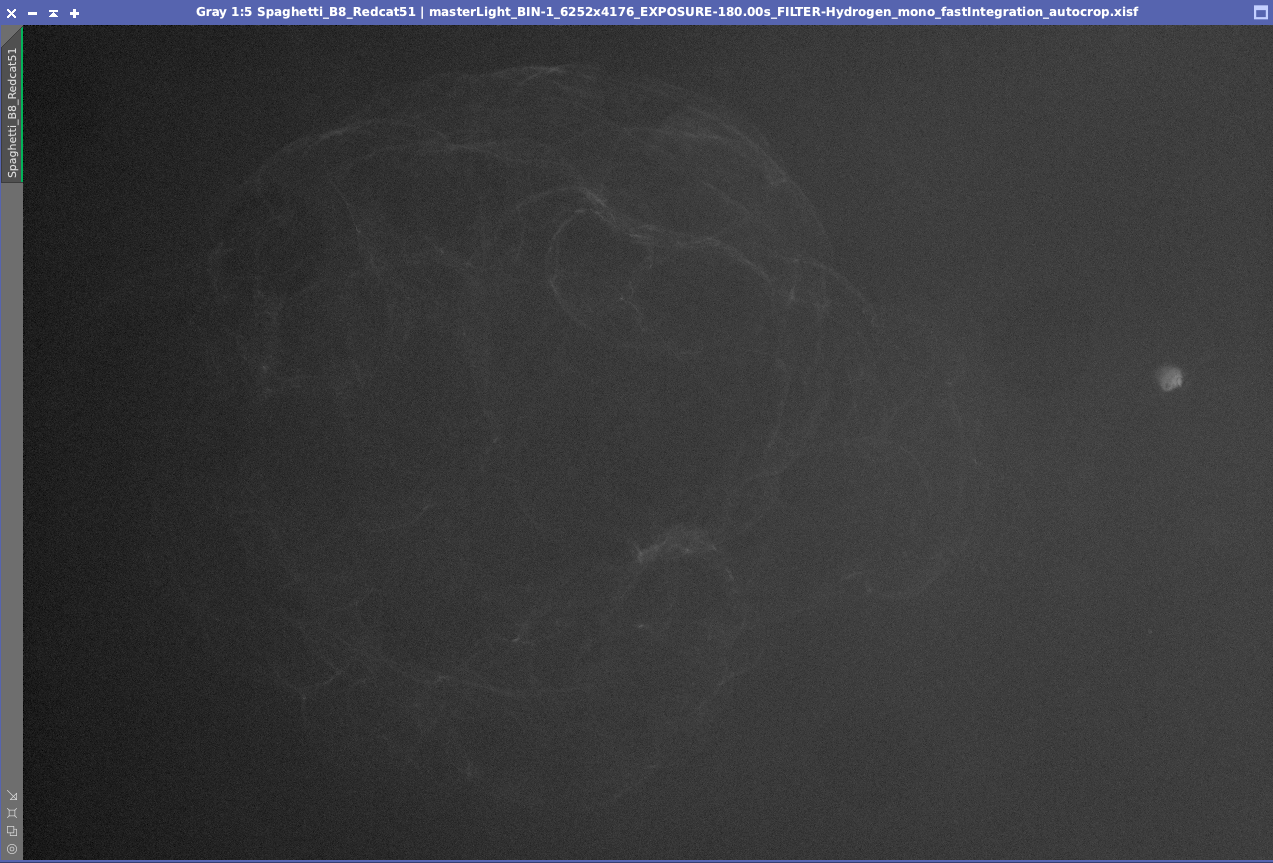
City Skies (Bortle 8)
Heavy light pollution washes out faint details. Extended integration times struggle to overcome background glow.
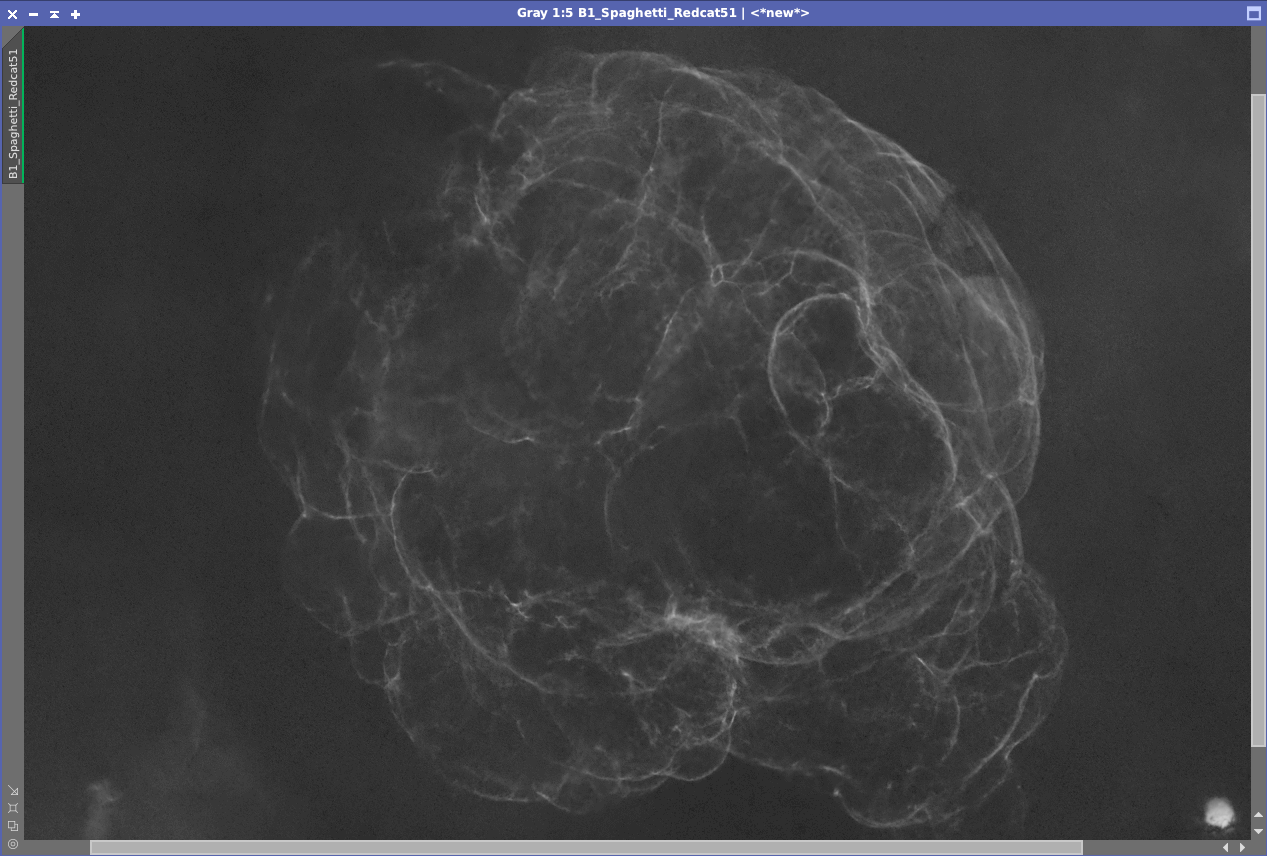
AstroPeak Skies (Bortle 1)
Dark skies reveal intricate filaments and rich color. True black background allows faint structures to shine.
Imaging Details
Both images captured with identical equipment. The only difference: sky darkness.
Bortle Scale Comparison
The Bortle Scale measures sky brightness from 1 (darkest) to 9 (brightest city skies). Each level dramatically impacts what you can see and photograph.
| Bortle Class | SQM Reading | Description | Visible Objects | Light Pollution | Imaging Quality |
|---|---|---|---|---|---|
|
Bortle 1
Excellent Dark Sky
|
21.9-22.0 | The darkest skies available. The Milky Way casts shadows. Airglow visible on horizon. Zodiacal light strikingly bright. | All Messier objects, thousands of galaxies, faint nebulae, intricate detail in Milky Way structure | None | ⭐⭐⭐⭐⭐ |
|
Bortle 2
Typical Dark Site
|
21.5-21.89 | Very dark. Milky Way highly structured. Clouds only visible as dark patches. Light domes visible on horizon. | Most Messier objects easily visible, many galaxies, most nebulae | Minimal | ⭐⭐⭐⭐ |
|
Bortle 3
Rural Sky
|
21.3-21.5 | Some light pollution evident. Milky Way still impressive. Light domes visible in several directions. | Brighter Messier objects, some galaxies, most star clusters | Low | ⭐⭐⭐ |
|
Bortle 4-5
Rural/Suburban Transition
|
20.5-21.3 | Milky Way washed out. Light pollution domes visible in most directions. Sky has grayish tint. | Brightest Messier objects only, major star clusters, struggle with galaxies | Moderate | ⭐⭐ |
|
Bortle 6-7
Suburban/Urban
|
19.5-20.5 | Milky Way barely or not visible. Sky glows orange/gray. Only brightest stars visible. | Moon, planets, brightest stars only. Deep sky objects extremely difficult | Heavy | ⭐ |
|
Bortle 8-9
City/Inner City
|
18.0-19.5 | Sky brightly lit. Entire sky glows. Milky Way invisible. Only brightest stars and planets visible. | Moon, Venus, Jupiter, brightest stars. Deep sky imaging nearly impossible | Extreme | Poor |
AstroPeak: Bortle 1
When conditions are right, AstroPeak Observatory can produce an SQM of 21.9+. Regularly, we sit between 21.5-22.0. Bortle 1 territory is the darkest classification possible. Located in southern Utah at 5,000+ feet elevation, you'll capture detail and depth impossible from higher Bortle locations.
What Bortle 1 Gives You
The advantages of imaging from the darkest skies
Richer Detail & Color
Capture faint nebulae, dim galaxies, and intricate dust lanes invisible from light-polluted areas. True color without gradient removal.
Shorter Integration Times
Dark skies mean higher signal-to-noise ratio. Achieve better results in 1-2 hours vs 10+ hours from suburban locations.
No Gradient Removal
Skip hours of post-processing. With zero light pollution, your images come out clean without complex gradient corrections.
Ready to Image Under Bortle 1 Skies?
Experience the darkest skies in North America. Reserve your pier at AstroPeak Observatory.